Molybdenum Disulfide Powder: Unlocking Frictionless Potential molybdenum disulfide powder supplier

Molybdenum Disulfide Powder: Unlocking Smooth Potential.
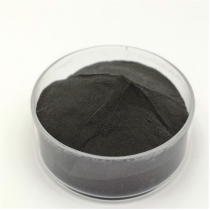
In the surprise globe of makers, rubbing is a quiet burglar– taking power, putting on down components, and elevating costs. For years, designers have actually sought a remedy that operates in extreme warm, high pressure, and even vacuum cleaner. Go Into Molybdenum Disulfide Powder, a dark, silvery material that acts like a microscopic lube, turning rough interactions right into smooth activity. This unassuming powder, made up of molybdenum and sulfur atoms organized in an unique layered structure, has actually come to be a foundation of modern-day innovation. From aerospace engines to smart device joints, Molybdenum Disulfide Powder is revising the rules of rubbing and wear. This write-up dives into its science, creation, and transformative uses, revealing why this powder is greater than simply a lube– it’s a crucial to unlocking performance.
1. The Scientific Research Behind Molybdenum Disulfide’s Magic

(Molybdenum Disulfide)
To comprehend why Molybdenum Disulfide Powder works so well, envision a deck of cards piled neatly. Each card stands for a layer of atoms: molybdenum in the middle, sulfur atoms capping both sides. These layers are held together by weak intermolecular pressures, like magnets hardly clinging to each other. When 2 surfaces scrub with each other, these layers slide past each other effortlessly– this is the secret to its lubrication. Unlike oil or oil, which can burn off or thicken in heat, Molybdenum Disulfide’s layers stay stable even at 400 degrees Celsius, making it ideal for engines, turbines, and area devices.
But its magic doesn’t stop at moving. Molybdenum Disulfide also forms a protective movie on steel surface areas, filling tiny scratches and developing a smooth barrier versus straight get in touch with. This lowers rubbing by up to 80% contrasted to without treatment surfaces, reducing energy loss and expanding part life. What’s even more, it stands up to deterioration– sulfur atoms bond with metal surfaces, protecting them from dampness and chemicals. In short, Molybdenum Disulfide Powder is a multitasking hero: it oils, shields, and sustains where others stop working.
2. Crafting Molybdenum Disulfide Powder: From Ore to Nano
Transforming raw ore into Molybdenum Disulfide Powder is a trip of precision. It begins with molybdenite, a mineral rich in molybdenum disulfide located in rocks worldwide. First, the ore is smashed and focused to get rid of waste rock. After that comes chemical filtration: the concentrate is treated with acids or antacid to liquify contaminations like copper or iron, leaving behind an unrefined molybdenum disulfide powder.
Following is the nano revolution. To unlock its complete capacity, the powder needs to be gotten into nanoparticles– little flakes simply billionths of a meter thick. This is done with methods like sphere milling, where the powder is ground with ceramic spheres in a turning drum, or fluid phase peeling, where it’s mixed with solvents and ultrasound waves to peel apart the layers. For ultra-high pureness, chemical vapor deposition is used: molybdenum and sulfur gases respond in a chamber, transferring consistent layers onto a substrate, which are later scratched into powder.
Quality control is vital. Manufacturers test for bit size (nanoscale flakes are 50-500 nanometers thick), purity (over 98% is basic for industrial use), and layer integrity (making sure the “card deck” structure hasn’t fallen down). This meticulous procedure transforms a modest mineral right into a sophisticated powder all set to deal with friction.
3. Where Molybdenum Disulfide Powder Radiates Bright
The versatility of Molybdenum Disulfide Powder has actually made it vital across industries, each leveraging its special strengths. In aerospace, it’s the lube of option for jet engine bearings and satellite moving components. Satellites face severe temperature swings– from scorching sun to cold shadow– where typical oils would freeze or vaporize. Molybdenum Disulfide’s thermal stability keeps gears transforming smoothly in the vacuum of area, making certain missions like Mars wanderers stay operational for years.
Automotive engineering relies upon it also. High-performance engines make use of Molybdenum Disulfide-coated piston rings and valve overviews to lower friction, improving gas effectiveness by 5-10%. Electric vehicle motors, which run at broadband and temperature levels, gain from its anti-wear buildings, extending electric motor life. Even day-to-day things like skateboard bearings and bike chains utilize it to keep relocating components quiet and long lasting.
Beyond technicians, Molybdenum Disulfide beams in electronics. It’s contributed to conductive inks for versatile circuits, where it offers lubrication without interfering with electrical flow. In batteries, researchers are examining it as a finishing for lithium-sulfur cathodes– its layered framework traps polysulfides, avoiding battery degradation and increasing life expectancy. From deep-sea drills to photovoltaic panel trackers, Molybdenum Disulfide Powder is all over, combating rubbing in methods once believed difficult.
4. Technologies Pressing Molybdenum Disulfide Powder Further
As modern technology develops, so does Molybdenum Disulfide Powder. One exciting frontier is nanocomposites. By blending it with polymers or metals, researchers create products that are both strong and self-lubricating. For instance, including Molybdenum Disulfide to aluminum produces a lightweight alloy for aircraft parts that resists wear without extra oil. In 3D printing, designers installed the powder into filaments, permitting printed gears and joints to self-lubricate right out of the printer.
Green manufacturing is one more emphasis. Traditional approaches utilize rough chemicals, but brand-new techniques like bio-based solvent exfoliation usage plant-derived fluids to different layers, minimizing environmental effect. Researchers are also discovering recycling: recuperating Molybdenum Disulfide from utilized lubricants or worn components cuts waste and reduces costs.
Smart lubrication is arising also. Sensing units embedded with Molybdenum Disulfide can discover rubbing modifications in real time, signaling maintenance groups prior to parts fail. In wind generators, this implies less closures and even more energy generation. These developments make certain Molybdenum Disulfide Powder remains ahead of tomorrow’s obstacles, from hyperloop trains to deep-space probes.
5. Picking the Right Molybdenum Disulfide Powder for Your Demands
Not all Molybdenum Disulfide Powders are equivalent, and selecting carefully effects efficiency. Pureness is first: high-purity powder (99%+) minimizes contaminations that could clog equipment or lower lubrication. Bit dimension matters too– nanoscale flakes (under 100 nanometers) function best for finishings and composites, while bigger flakes (1-5 micrometers) fit bulk lubricants.
Surface area treatment is one more factor. Untreated powder may clump, a lot of manufacturers coat flakes with natural particles to boost diffusion in oils or resins. For severe settings, try to find powders with enhanced oxidation resistance, which remain secure over 600 degrees Celsius.
Reliability starts with the provider. Choose companies that offer certifications of evaluation, describing particle dimension, pureness, and examination results. Take into consideration scalability as well– can they create big sets consistently? For particular niche applications like medical implants, opt for biocompatible grades licensed for human use. By matching the powder to the task, you unlock its complete capacity without overspending.
Conclusion
Molybdenum Disulfide Powder is more than a lubricant– it’s a testimony to just how comprehending nature’s building blocks can fix human challenges. From the depths of mines to the sides of space, its split structure and strength have actually transformed rubbing from an opponent right into a manageable pressure. As advancement drives need, this powder will certainly remain to allow developments in power, transportation, and electronic devices. For sectors seeking effectiveness, longevity, and sustainability, Molybdenum Disulfide Powder isn’t just a choice; it’s the future of activity.
Vendor
TRUNNANO is a globally recognized Molybdenum Disulfide manufacturer and supplier of compounds with more than 12 years of expertise in the highest quality nanomaterials and other chemicals. The company develops a variety of powder materials and chemicals. Provide OEM service. If you need high quality Molybdenum Disulfide, please feel free to contact us. You can click on the product to contact us.
Tags: Molybdenum Disulfide, nano molybdenum disulfide, MoS2
All articles and pictures are from the Internet. If there are any copyright issues, please contact us in time to delete.
Inquiry us